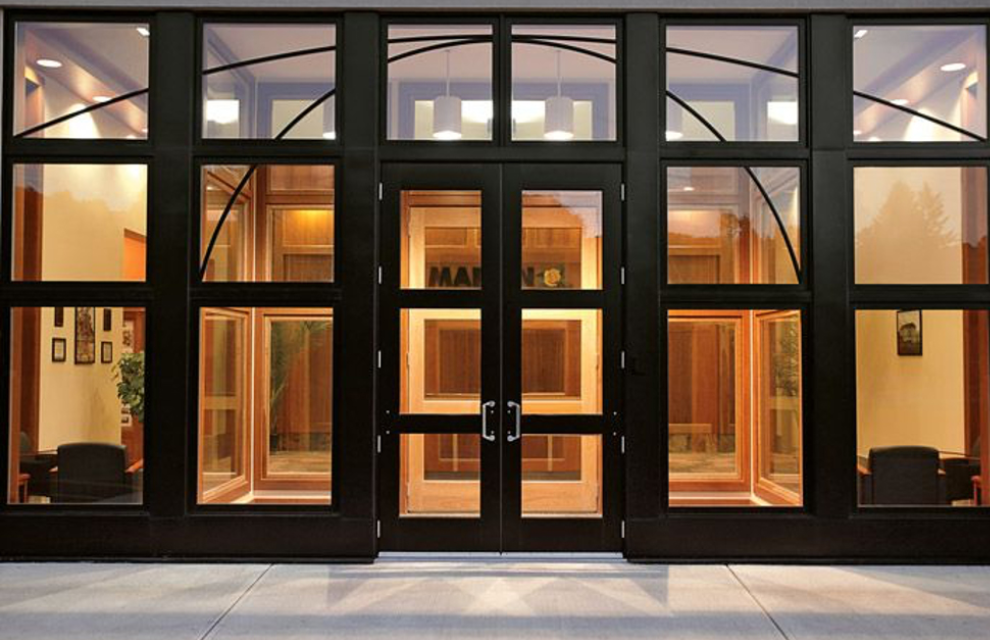
In the ever-evolving landscape of healthcare accessibility, the importance of seamless accessibility cannot be overstated. Automatic doors and access controls play a crucial role in ensuring a smooth and efficient environment within healthcare facilities. In the United Kingdom, where healthcare standards are rigorously upheld, the integration of such technologies is not just a matter of convenience but a legal imperative. This article delves into the legal requirements and considerations surrounding automatic doors and access controls in the UK healthcare industry.
Legal Framework
The UK healthcare sector operates under a comprehensive legal framework that prioritises the safety and well-being of patients, staff, and visitors. Automatic doors and access controls fall under the purview of various legislations, with the primary aim of ensuring compliance with accessibility and safety standards.
- Health and Safety at Work Act 1974. The Health and Safety at Work Act 1974 is a cornerstone of health and safety legislation in the UK. It places a duty on employers to ensure, so far as is reasonably practicable, the health, safety, and welfare of their employees, as well as those affected by their activities. Automatic doors, being an integral part of a healthcare facility, must comply with this act to safeguard the well-being of all individuals on the premises.
- Equality Act 2010. The Equality Act 2010 provides a legal framework to protect individuals from discrimination, ensuring equal access to services and facilities. Automatic doors and access controls are critical components in promoting accessibility for people with disabilities. Healthcare providers must take reasonable steps to ensure that their premises are accessible to everyone, and failure to do so may result in legal consequences.
- Building Regulations – Approved Document M. Building Regulations in the UK set out standards for the design and construction of buildings, including healthcare facilities. Approved Document M specifically addresses accessibility, providing guidelines on the installation of features such as ramps, handrails, and automatic doors. Compliance with these regulations is essential for healthcare providers to meet the necessary standards and ensure the safety and convenience of all users.
Considerations for Hospital Healthcare Accessibility
Beyond the legal obligations, healthcare providers need to consider various factors when implementing automatic doors and access controls within their facilities.
1. Patient Flow and Efficiency
Automatic doors play a vital role in facilitating the smooth flow of patients within a hospital. In emergency situations, quick and unimpeded access to different areas can be a matter of life and death. Implementing automatic doors strategically, such as in entrance areas and between different departments, enhances the overall efficiency of healthcare facilities.
2. Infection Control
In healthcare settings, controlling the spread of infections is paramount. Automatic doors, particularly those equipped with touchless technologies, contribute significantly to infection control measures by minimising the need for physical contact. This is especially relevant in areas with high foot traffic, such as entrances and exits.
3. Accessibility for All
Healthcare facilities must cater to a diverse range of individuals, including those with mobility challenges. Automatic doors with features like motion sensors, push-button controls, and wide openings ensure that the facility is accessible to everyone, irrespective of physical abilities. This inclusivity aligns with the principles of patient-centered care.
4. Security and Access Management
Access controls go hand in hand with automatic doors in healthcare settings. Controlling access to specific areas is essential for maintaining the security and privacy of patients. Hospitals often have restricted zones, such as operating theaters and critical care units, where only authorized personnel should have access. Implementing access control systems ensures that only authorized individuals can enter these areas, safeguarding patient confidentiality and hospital assets.
5. Compliance with DDA Standards
The Disability Discrimination Act (DDA) in the UK mandates that service providers make reasonable adjustments to ensure that disabled individuals can access services on an equal basis with others. Automatic doors are a key element in meeting these standards, providing a barrier-free environment for people with disabilities. Hospitals need to consider not only the installation of automatic doors but also their usability for individuals with diverse needs.
6. Emergency Egress
In emergency situations, such as fire evacuations, the functionality of automatic doors becomes critical. These doors must be designed to facilitate a swift and orderly evacuation while ensuring the safety of everyone within the premises. Hospitals must have robust emergency egress plans that take into account the automatic doors’ role in evacuations.
7. Maintenance and Compliance Checks
Regular maintenance of automatic doors is essential to ensure their proper functioning and compliance with legal standards. Hospitals should have a structured maintenance schedule in place, including checks on sensors, motors, and safety features. Non-compliance can lead to accidents and legal repercussions, making routine maintenance a proactive measure.
Conclusion
The integration of automatic doors and access controls to improve healthcare accessibility in the UK industry is not merely a matter of convenience but a multifaceted approach to ensure compliance with legal standards, enhance patient care, and create a safe and efficient environment. Healthcare providers must navigate the intricate web of regulations, keeping patient well-being and accessibility at the forefront of their considerations. By understanding the legal requirements and implementing thoughtful strategies, hospitals can contribute to a healthcare landscape that prioritises inclusivity, safety, and efficiency.
If you need further information or would like to discuss the options available to you don’t hesitate in contacting our experienced team at ACA Solutions