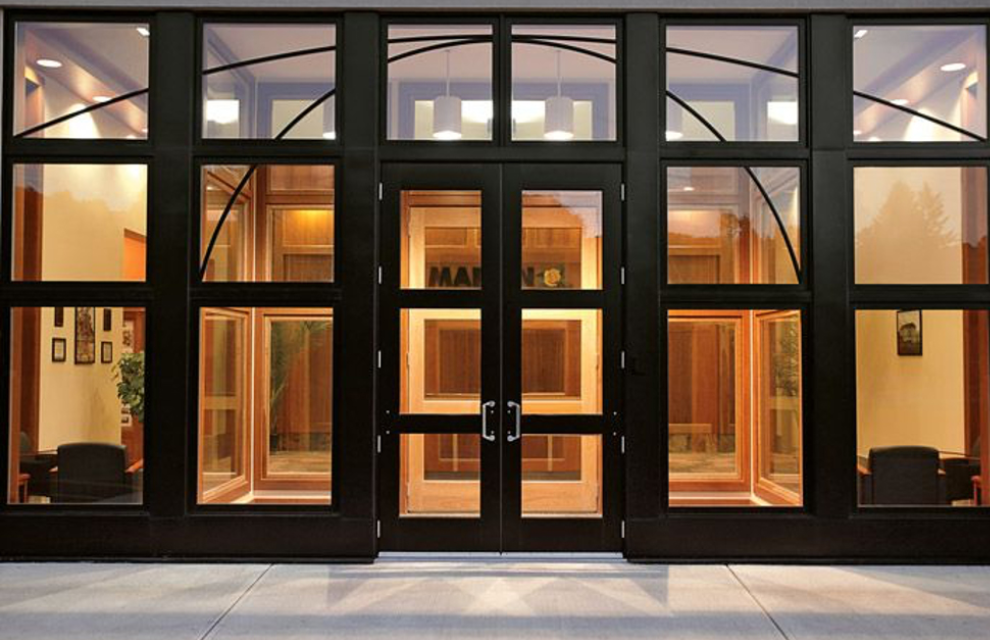
In the vibrant world of theme parks, where imagination knows no bounds and excitement awaits at every turn, the safety and well-being of guests are of utmost importance. Amidst the thrill of rides and the spectacle of attractions, seamless operation and effective crowd management are essential for creating memorable experiences. Here, we delve into the pivotal role played by automatic doors and access control technology in achieving these objectives within the unique environment of theme parks, exploring their benefits, challenges, and compliance with UK legislation in comprehensive detail.
1. Enhancing Guest Safety
Safety must be the cornerstone of any theme park experience, and automatic doors and access control systems serve as silent guardians, ensuring that guests are protected from potential hazards and unauthorised access to restricted areas. These technologies contribute to guest safety in multifaceted ways:
Restricted Access Control: Theme parks encompass various zones that are off-limits to guests, including maintenance areas, control rooms, and backstage facilities. Access control systems provide an effective means of regulating entry into these restricted zones, thereby preventing accidents, injuries, or unauthorised interactions with machinery or equipment.
Collision Prevention: Automatic doors equipped with advanced sensors detect the presence of individuals in their vicinity and respond by opening or closing, minimising the risk of collisions or entrapments. This proactive approach to safety is particularly crucial in densely populated areas where manual doors may pose a hazard or impede the flow of foot traffic.
Emergency Preparedness: In the event of an emergency evacuation or lockdown, automatic doors play a vital role in facilitating swift and controlled egress, ensuring that guests can exit the premises safely and efficiently. Emergency release mechanisms incorporated into these doors enable quick evacuation procedures, bolstering overall safety measures within the park.
2. Improving Park Efficiency
Efficiency is the lifeblood of theme park operations, where the seamless coordination of myriad processes is essential for delivering a flawless guest experience. Automatic doors and access control technology contribute to operational efficiency in diverse ways:
Queue Management: Queue lines are a ubiquitous feature of theme parks, often characterised by fluctuating crowd sizes and varying wait times. Automatic doors equipped with intelligent sensors facilitate the orderly flow of guests in queue lines, minimising congestion and optimising throughput.
Staff Access Control: Access control systems restrict entry to designated areas based on staff roles and permissions, ensuring that only authorised personnel can access sensitive or restricted zones within the park. By delineating access privileges, these systems enhance security measures while streamlining staff workflows.
Resource Allocation: Real-time data collected by access control systems provides valuable insights into guest traffic patterns, allowing park operators to allocate resources strategically and optimise staffing levels in response to fluctuating demand. This data-driven approach to resource management enhances operational efficiency and guest satisfaction.
3. Compliance with UK Legislation
The implementation of automatic doors and access control technology in theme parks must align with relevant UK legislation and regulatory frameworks to uphold safety standards, protect guest privacy, and ensure accessibility for all individuals. Key considerations include:
Health and Safety Regulations: Theme parks are subject to stringent health and safety regulations stipulated by governing bodies such as the Health and Safety Executive (HSE). Automatic doors and access control systems must comply with these regulations to mitigate the risk of accidents, injuries, or non-compliance penalties.
Accessibility Requirements: The Equality Act 2010 mandates accessibility provisions for individuals with disabilities, including the installation of automatic doors and accessible entranceways to facilitate equitable access to park facilities and attractions. Park operators must ensure that their infrastructure and technology accommodate the needs of all guests, regardless of physical or cognitive abilities.
Data Protection Laws: Access control systems may involve the collection and processing of personal data, such as staff identification information. Compliance with the General Data Protection Regulation (GDPR) is essential to safeguarding the privacy and rights of individuals whose data is processed by these systems. Park operators must implement robust data protection measures to prevent unauthorised access or misuse of sensitive information.
4. Installation and Maintenance Challenges
While the benefits of automatic doors and access control technology are indisputable, theme parks encounter various challenges related to installation, maintenance, and ongoing operation:
Cost Considerations: The initial investment required for installing automatic doors and access control systems can be substantial, particularly for large-scale theme parks with extensive infrastructure and operational requirements. Park operators must carefully assess the cost-benefit ratio and prioritise investments based on safety, efficiency, and guest experience.
Technical Complexity: Integrating these systems into existing park infrastructure poses technical challenges that require expert knowledge and coordination between various stakeholders, including architects, engineers, and technology providers. Compatibility issues, interoperability concerns, and system integration complexities must be addressed to ensure seamless operation and optimal performance.
Maintenance Requirements: Regular maintenance and servicing are essential to ensure the reliable operation of automatic doors and access control systems. Park operators must adhere to manufacturer recommendations and industry standards for maintenance schedules, inspections, and repairs to prevent malfunctions or downtime that could disrupt park operations and compromise guest safety.
Conclusion
In conclusion, the strategic integration of automatic doors and access control technology represents a cornerstone of safety, efficiency, and compliance within the dynamic landscape of theme parks.
By enhancing guest safety, optimising operational efficiency, and ensuring compliance with UK legislation, these technologies play a pivotal role in creating unforgettable experiences for visitors while safeguarding their well-being and privacy.
Despite the challenges posed by installation costs, technical complexity, and maintenance requirements, the long-term benefits of investing in these systems far outweigh the associated challenges, making them indispensable assets for theme parks committed to excellence in guest service and safety. ACA Solutions has a great deal of experience in this type of installation and can help you define and acheive your requirements. Talk to us today to find out more